
In our household, we hold a deep appreciation for the tactical durability of a well-crafted board book, and the Visual Perception Collection from Usborne is a striking addition to our nursery shelves. This two-book set—comprising the titles Hello and Animals—is engineered with a high-contrast palette of black, white, and primary colors like red, blue, and yellow. While I’ll leave the definitive scientific verdict on "brain stimulation" to the experts, I can attest to the immediate visual magnetism of these pages. My daughter is instinctively drawn to the vibrant pops of color against the monochromatic backgrounds. The text is purposefully sparse, allowing the visual narrative to take center stage—which is ideal, as my resident scholar isn't quite ready for her debut as a solo reader just yet.

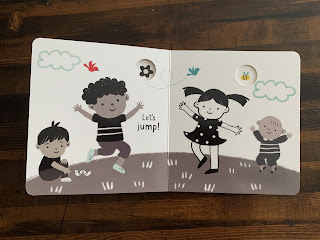
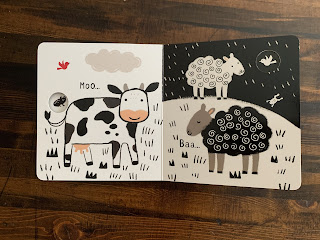
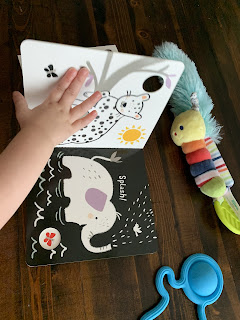
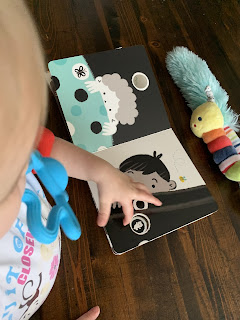

We’ve found ingenious ways to transform these "simple" books into interactive pedagogical tools. With Hello, we treat the pages as a series of physical prompts: if an illustration depicts jumping, we jump; if it shows a snuggle, we reach for a teddy bear. It turns a reading session into a delightful game of "Simon Says." In the Animals volume, we focus on nomenclature and vocalizations. My daughter has been quite the precocious talker since she was six months old, so she relishes the opportunity to showcase her repertoire of animal sounds. A standout design feature is the inclusion of "die-cut" holes on every page. These serve a dual purpose: they offer a tantalizing glimpse of the subsequent page and provide a tactile "grip" for tiny fingers still mastering the fine motor skill of page-turning.

Looking ahead, I see immense potential for these books to "level up" alongside her development. I plan to use them for early "search and find" exercises—challenging her to locate specific creatures hidden within the high-contrast scenes. They also serve as an excellent "intro to math" resource; the clear, bold illustrations make them perfect for early counting drills. Whether we are counting the children in Hello or the menagerie in Animals, the books offer a structured yet playful environment for numerical exposure.

While I wouldn't necessarily categorize the Visual Perception Collection as a mandatory "must-have" for every homeschool, they are certainly a high-value acquisition for any domestic library. They are perfectly dimensioned for small hands, aesthetically sophisticated, and versatile enough to be used for more than just a passive bedtime story. It’s a wonderful example of how a "baby book" can be repurposed for physical activity, vocabulary building, and early numeracy. I am curious to hear from my fellow early-childhood educators: do you have a preferred board book that serves as a multi-tool for learning, or perhaps a favorite counting game you play with your toddlers? Let us know in the comments below!
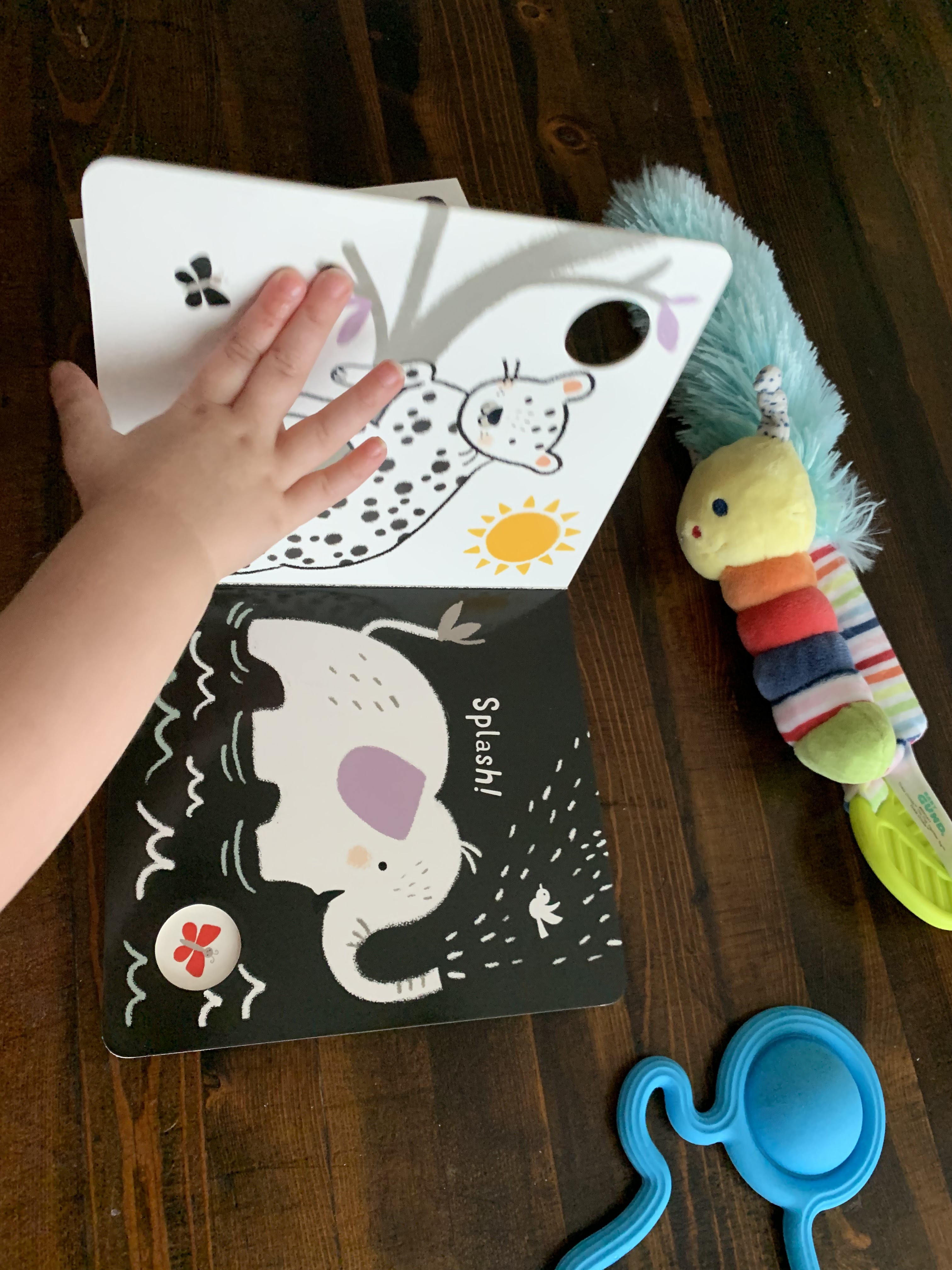

I like the fact that the artist uses pops of color along with all the black and white contrast!
ReplyDelete