
After previously exploring the first-grade iteration of Science Lessons and Investigations - Grade 1 by Evan-Moor, we decided to integrate the Grade 2 volume into our repertoire. Much like its predecessor, I would categorize this resource as a sophisticated supplement rather than a standalone primary curriculum. It serves as an excellent laboratory for experimental reinforcement, but it lacks the exhaustive depth required for a solo flight in the sciences. The curriculum elegantly bifurcates its focus into four essential pillars: life science (plants and animals), earth science, and physical science. One administrative feature I find particularly commendable—especially for those of you facilitating a co-op or teaching in a traditional classroom—is the "materials needed" distribution page. It allows for seamless logistical coordination, ensuring every student is prepared for the day’s inquiry.
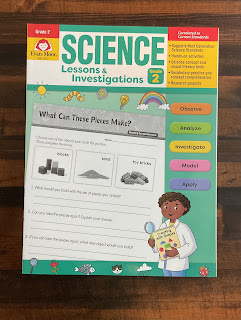

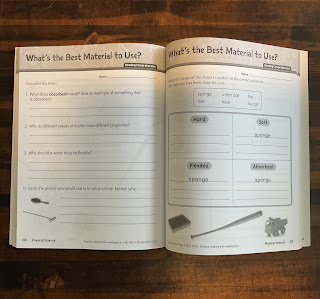
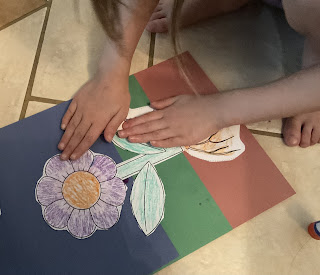
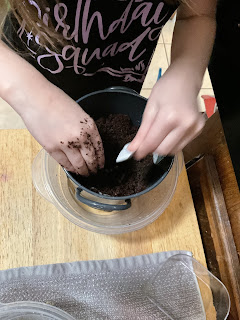

Each module is structured with a teacher overview, a vocabulary primer, and a reading comprehension segment. I am a proponent of the integrated "journaling" pages, which invite students to record their hypotheses and observations with scientific precision. While some lessons focus on "wonder why" inquiries, others prioritize hands-on investigations, all culminating in a final project. From an organizational standpoint, I have maintained my practice of extracting the pages and binding them into custom booklets for my daughter. This allows her to maintain a personalized "scientific archive" that she can reference as her knowledge base expands.

However, from a developmental perspective, I must offer a nuanced observation regarding the "grade-level" calibration. While I felt the first-grade book was better suited for a kindergarten mind, I believe the second-grade volume is most appropriately utilized for a first-grade student. Since we have already navigated many of these concepts in our primary studies, we are utilizing this workbook as a high-level retrospective. To elevate the challenge, I have transformed these lessons into "open speech" assignments. This pivot allows my daughter to synthesize her scientific knowledge and practice the sophisticated art of public speaking. Whether we are recording her presentations for her digital portfolio or hosting a "keynote" for visiting family, it has been a magnificent way to build her rhetorical confidence.

My primary critique remains the monochromatic nature of the text. In the realm of science—where visual clarity is paramount—the black-and-white illustrations can occasionally be a bit obscure. I firmly believe a vibrant, full-color layout would significantly enhance the student’s engagement and provide the visual "pop" that these scientific investigations deserve. Despite this, the wealth of information provided is undeniable, provided you treat the grade levels as a flexible suggestion rather than a rigid mandate.

Ultimately, if you are seeking a project-heavy supplement to breathe life into your scientific studies, Evan-Moor provides a solid foundation. We are particularly fond of resources that culminate in a tangible project, as it ensures the learning is lived rather than just read. I am eager to hear from my fellow educators: do you utilize any specific supplemental materials to add a "wow factor" to your core subjects? Share your favorite project-based finds in the comments below!

Comments
Post a Comment