
In our perpetual quest to balance academic rigor with physical vitality, we recently evaluated a digital resource entitled Kids Freeze Dance. This service offers a sophisticated solution to the "homeschool wiggles," providing a curated selection of videos designed to get students moving while simultaneously reinforcing their literacy and mathematical foundations. The platform is strategically bifurcated into three distinct modalities: traditional freeze dance, guided movements, and body percussion. For the modern educator looking to bridge the gap between kinesthetic engagement and cognitive retention, this service presents a compelling, high-energy alternative to sedentary workbook sessions.
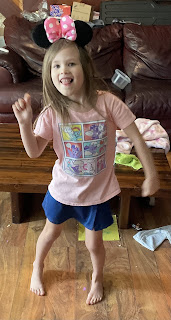
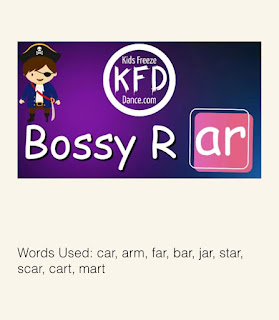

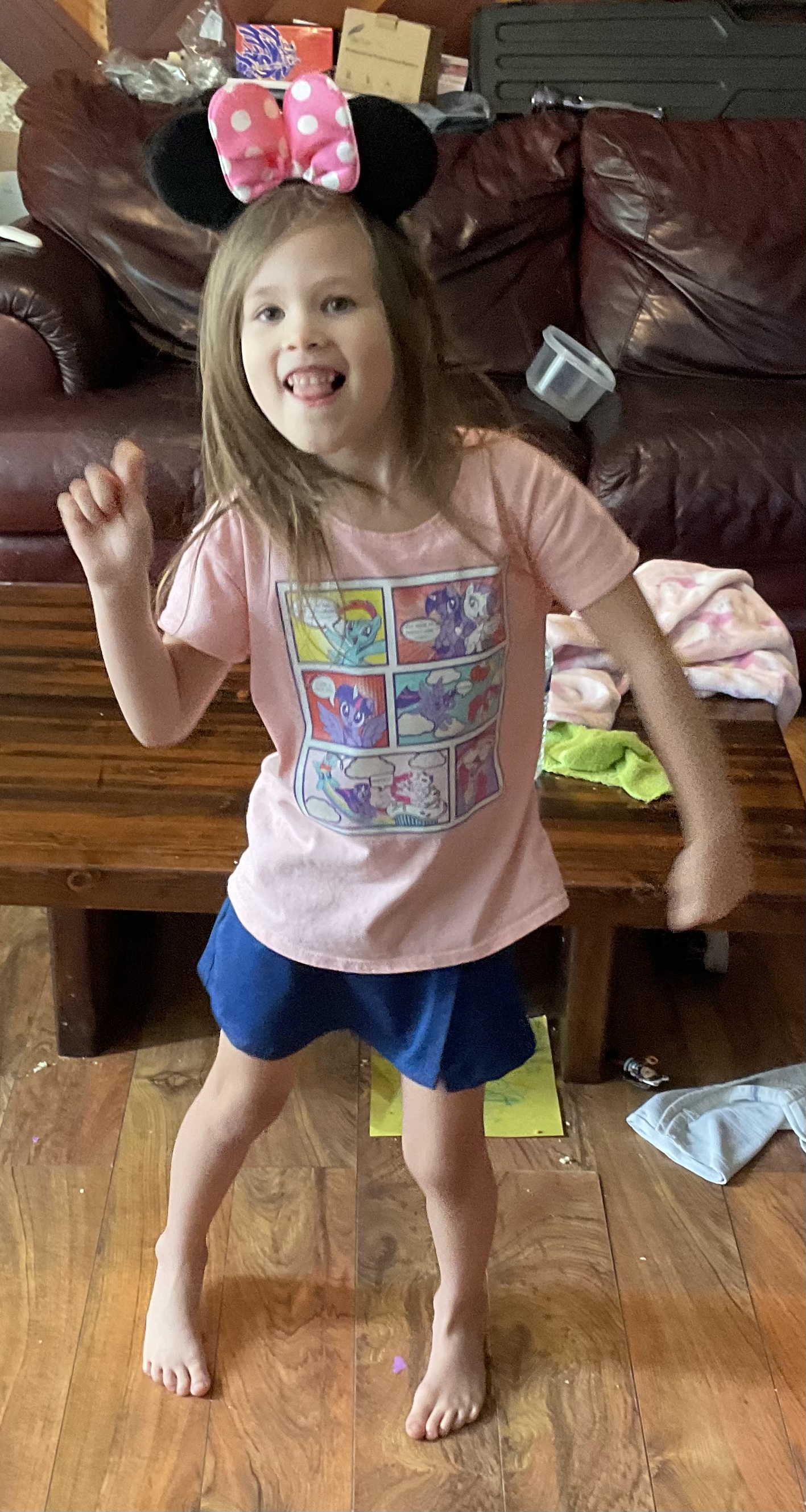
Our initial foray into the Freeze Dance category—targeted at the K–3rd grade demographic—yielded some intriguing pedagogical insights. Regarding the phonics components, I observed that the material leaned toward a more advanced Lexile range than both our personal curriculum and the local school district’s standards. However, as a proponent of decoding and phonetic synthesis over rote sight-word memorization, I was delighted to find videos that explicitly modeled "sounding out" words. To ensure the experience remained productive rather than frustrating, I simply curated a selection of videos that aligned with my daughter’s current phonological awareness. I was particularly impressed with the rhyming modules, as they transform a notoriously difficult abstract concept into a rhythmic, tangible game.

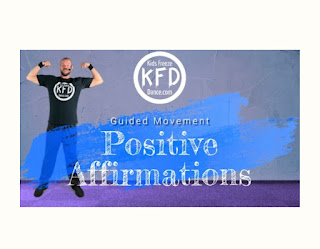
In a reversal of the literacy findings, the Mathematics content in the freeze dance section felt somewhat foundational for our needs. My daughter is exceptionally advanced in numeracy, so while the videos were charming, they functioned more as a celebratory review than a rigorous challenge. Beyond the "three Rs," the platform surprised me with its breadth of supplemental content, including the American Sign Language alphabet and modules on farm animal acoustics, geography, and history. My daughter’s definitive favorite, however, was the Guided Movements section. Here, students perform specific exercises—such as jumping jacks—until the music ceases, at which point they must provide an answer. I found these videos to be perfectly calibrated for the kindergarten and all-ages level, and I eagerly anticipate the promised expansion into the higher grade brackets.

The final category, Body Percussion, serves as a masterclass in pattern recognition and auditory processing. Currently available for "all ages," these videos are instrumental in teaching students to follow complex, multi-step directions through rhythmic movement. For children who struggle with executive function or behavioral compliance, this offers a whimsical, low-pressure environment to sharpen those essential life skills. From a pragmatic standpoint, the subscription model is refreshingly economical in an era where educational software often demands a small fortune. With the "Basic" plan starting at a mere ten dollars annually and the "All Access" pass offering over 400 videos for forty-five dollars, it is an accessible investment for virtually any household budget.

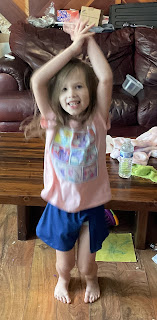
Ultimately, Kids Freeze Dance has earned a permanent position in our supplemental toolkit. My oldest daughter has become such an enthusiast that she frequently requests "just one more dance" throughout our school day, while even my two-year-old has begun to master the art of the "freeze." It is a superb remedy for the sedentary nature of traditional schooling and a fantastic way to prove that learning doesn't have to happen exclusively in a chair. For the homeschooling parent constantly fielding the question of "how to stay active," this is a definitive answer. Have you integrated movement into your daily lessons, or are you looking for a way to jumpstart your mornings? Share your thoughts in the comments below!

Comments
Post a Comment