
While I remain a staunch devotee of Story of the World, I observed a noticeable deficit in the realms of contemporary civics and regional geography—which is perfectly logical, given that a history text is rarely intended to serve as a comprehensive social studies compendium. Consequently, I embarked on a quest for a supplemental curriculum and discovered the 180 Days of Social Studies series. Having found the kindergarten and first-grade iterations quite effective, I have extended our commitment into the second grade. My singular aesthetic critique remains unchanged: I fervently wish the interior was rendered in vibrant color to enhance my daughter’s visual engagement, though the quality of the content successfully offsets the monochromatic presentation.
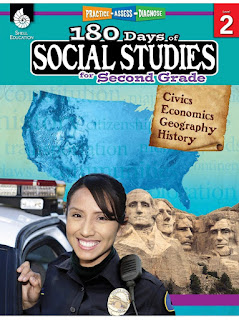
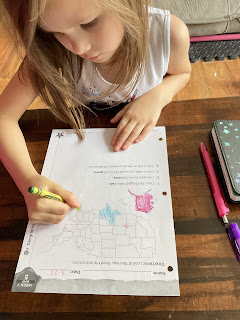
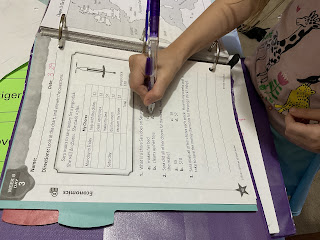
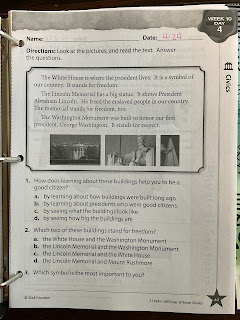
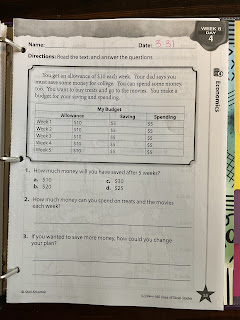

The structural elegance of this workbook is one of its most compelling attributes, offering exactly thirty-six weeks of lessons with a manageable "one page per day" commitment. Although our particular homeschooling schedule spans a more robust forty-seven-week academic year, I have strategically paced the booklet to provide a consistent educational thread throughout our entire term. The curriculum masterfully deconstructs social studies into four essential pillars: history, civics, geography, and economics. This ensures that even when we are knee-deep in the Middle Ages in our primary history class, we are still maintaining a firm grasp on the functioning of the modern world.

The second-grade volume delves into a fascinating array of topics, from contrasting historical lifestyles with modern conveniences to the evolution of essential public services like firefighting and law enforcement. There is also a significant emphasis on the architecture of the United States government. A brief cautionary note for my international readers: this curriculum is explicitly "US-centric," so it may not align with your pedagogical goals if you are not focused on American systems. For those of us within the States, however, it provides an excellent expansion on economic concepts like goods and services, which were introduced in the previous grade.

Geography enthusiasts will find much to admire here, as the workbook is heavily saturated with sophisticated map-work exercises. My daughter is developing the vital skill of not only interpreting various maps but also constructing her own, which I find to be an indispensable facet of a well-rounded education. I am also particularly impressed by the inclusion of diverse historical figures—both male and female—who have profoundly influenced the American trajectory. From exploring our fundamental rights and freedoms to identifying iconic American symbols, the lessons serve as a continuous masterclass in what it means to be an informed citizen.

Because the daily assignments are designed for brevity, they are typically completed with remarkable speed, though we frequently utilize Google to facilitate deeper "rabbit-hole" investigations when a topic piques our collective curiosity. From a logistical standpoint, I recommend auditing the "cut and paste" activities before your student engages, as the reverse side of those pages often contains essential work for the following day. While I wouldn't recommend this as a primary, standalone history curriculum, it is an exemplary supplement that I secured easily via Amazon. I am curious to hear from the community: how do you balance the "ancillary" subjects like civics and economics in your busy schedule?

Comments
Post a Comment