
We recently secured an opportunity to evaluate the Have I Got A Story For You! curriculum by HiGasfy, specifically focusing on their Renaissance series. Given that our current historical trajectory through the Middle Ages is leading us directly into this era of rebirth, the timing seemed fortuitously aligned with our lesson plans. The package is ostensibly comprehensive, featuring twelve downloadable video modules, a lesson plan, flashcards, and a PowerPoint presentation. However, I must note that the digital acquisition process was somewhat vexing; each "zip" file arrived with missing components, necessitating a tedious manual download of the individual files to complete the set.


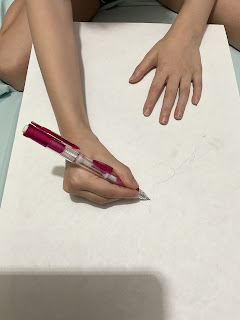
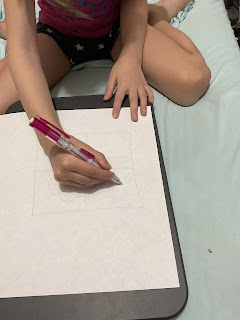
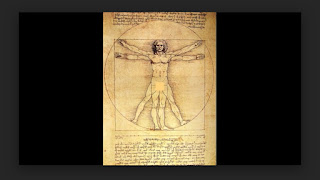

The lesson plans offer a diverse array of pedagogical suggestions intended to facilitate cross-curricular integration. By providing activities that bridge the gap between art, writing, science, and geography, the program attempts to offer a holistic view of the Renaissance. I was particularly impressed by the inclusion of targeted vocabulary lists and rigorous critical thinking prompts. These inquiries challenge the student to move beyond superficial "blanket" answers and engage in a deeper level of analysis regarding the lives of the three featured luminaries: Leonardo da Vinci, Michelangelo, and Raphael.

Upon initiating our first session, I was eager to gauge the reaction of my six-year-old, who is currently excelling in her second-grade studies. While she generally harbors a profound affection for history, she found these particular video presentations to be remarkably uninspiring. While "Gasfy," the green-painted protagonist, provided a momentary spark of entertainment, the overall delivery failed to sustain her interest. From an instructional standpoint, I found the content to be highly informative, though it is worth noting that the curriculum is heavily saturated with religious perspectives. As we tend to approach theological history with a lighter touch, this was a significant departure from our usual methodology.

Another point of personal contention was the decision to censor the historical artwork within the videos. While I certainly understand the desire to navigate the anatomical differences of the human form with younger children, I find the practice somewhat counter-intuitive; after all, if I were to escort my children through a world-class art museum, the masterpieces would be displayed in their authentic, uncensored glory. Furthermore, much of the provided information—and the accompanying activity ideas—felt as though it could be readily replicated through a strategic Google search. Generating writing prompts or sourcing art projects is well within the wheelhouse of most homeschooling parents.

Ultimately, I find myself unable to categorize this curriculum as an absolute "must-have." While there is an undeniable convenience in having these resources aggregated in a single location, the lack of student engagement renders the investment questionable. I did appreciate the concise duration of the episodes, and my daughter was able to navigate the comprehension questions independently—though I suspect her success was largely due to the foundational knowledge she had already acquired from our primary history text. Unless the videos become significantly more captivating, I believe a self-curated study of the Renaissance might be more effective. Have any of you discovered a way to make these videos more palatable for a younger audience? Please share your insights in the comments below!

Comments
Post a Comment