Review: The Baby Babble Series

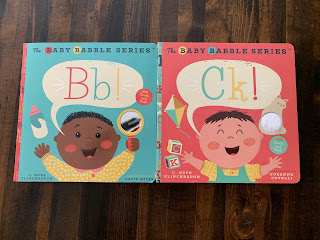
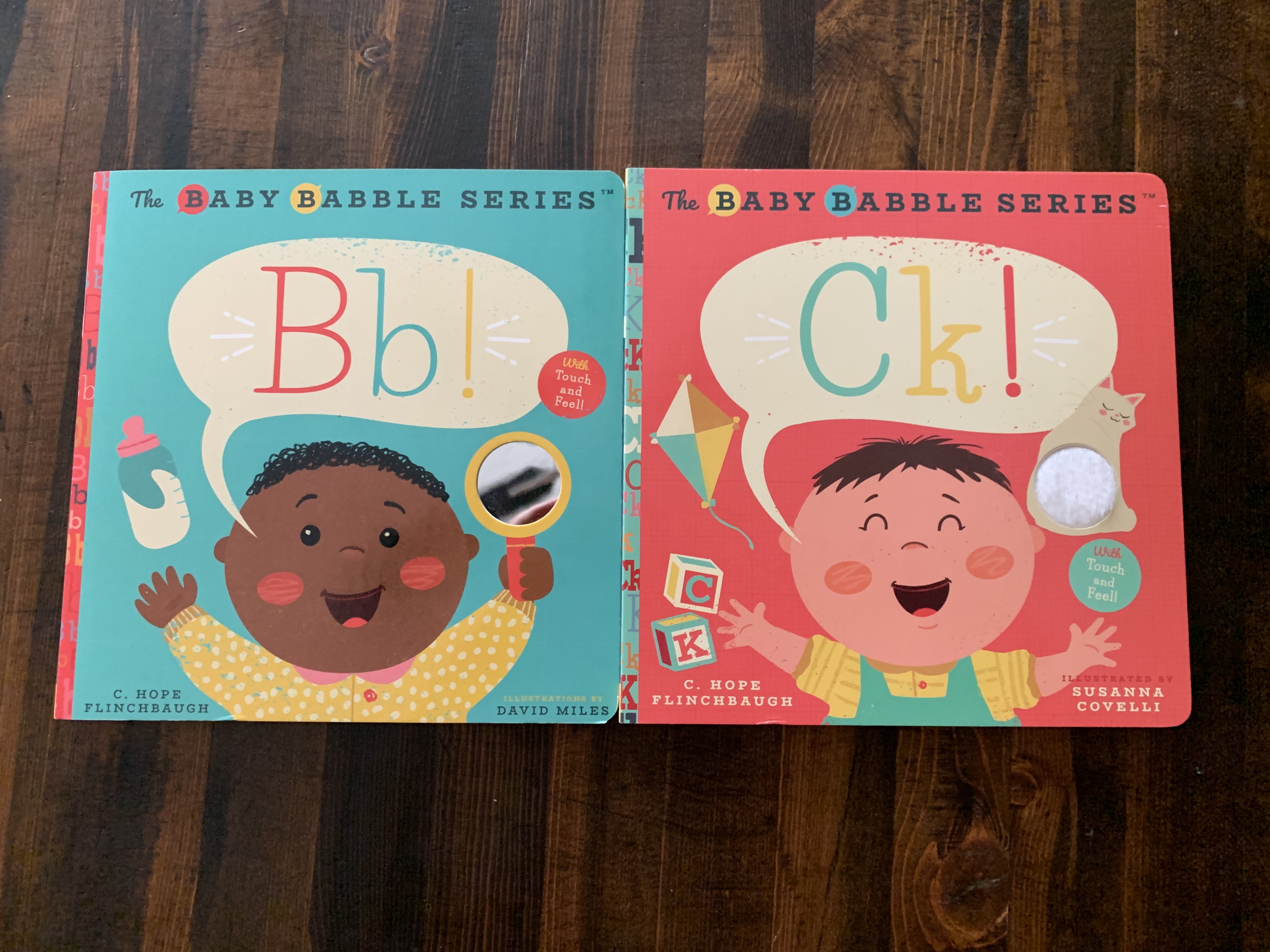
In our household, we’ve experienced the full spectrum of linguistic development—from our eldest, who opted for silence and sign language until age two, to our youngest, who began her vocal debut at a mere six months. In an effort to encourage this early "parroting," we’ve been exploring The Baby Babble Series. These hardback board books are specifically engineered to survive the "book tearers" of the world (my youngest is currently in a phase where she gleefully eviscerates paper pages and offers a casual "uh-oh" as if the destruction were a complete mystery). To preserve the flaps, I maintain a strict "supervised access only" policy for these volumes.
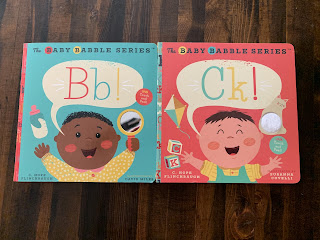
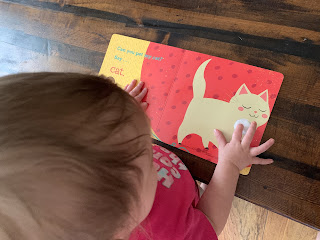
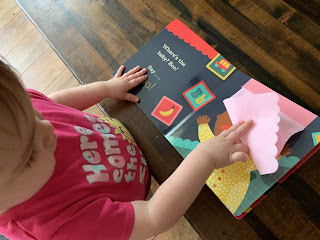
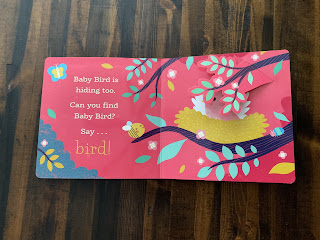
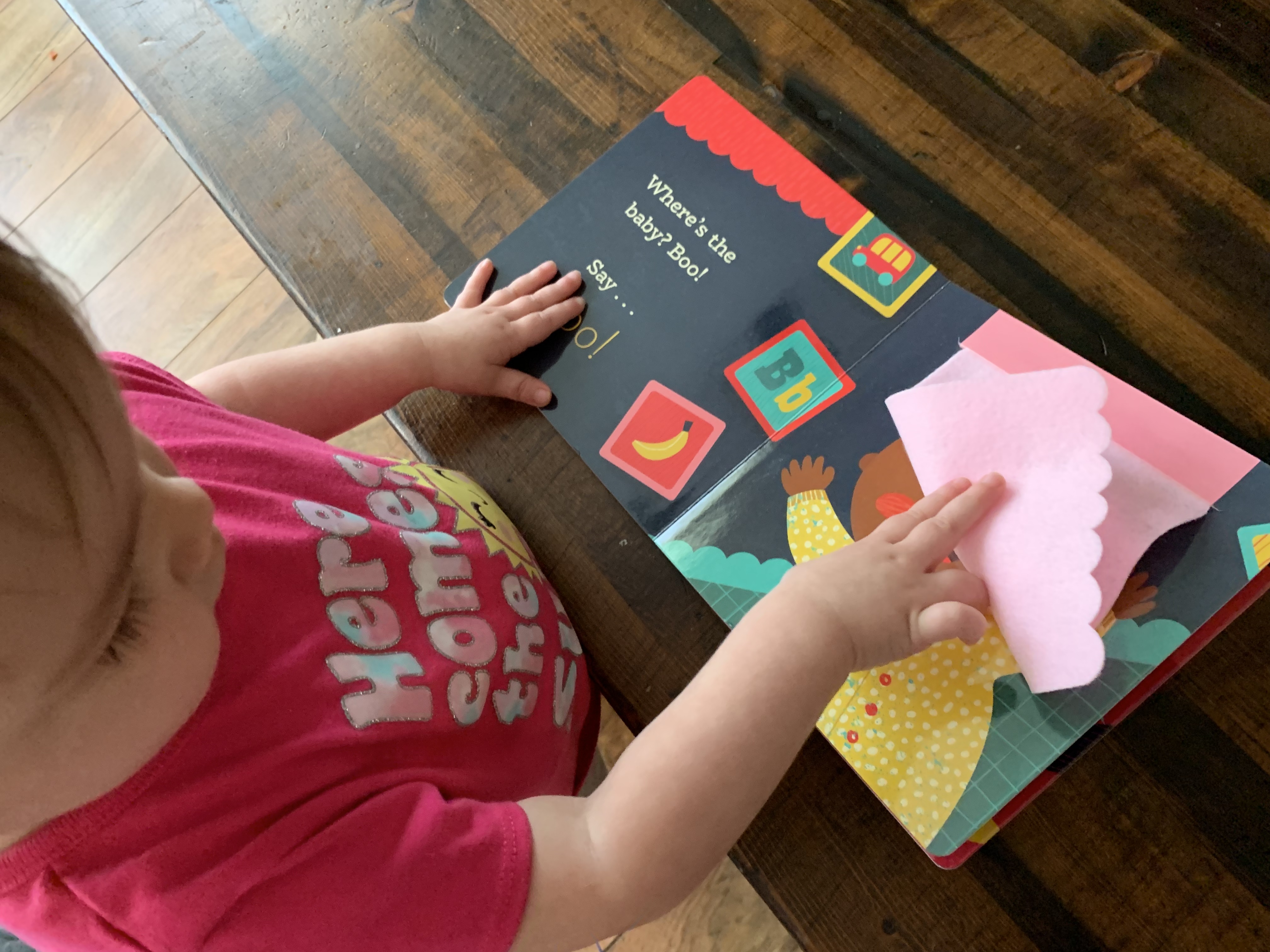
The series is tactile, though the distribution of features is somewhat inconsistent. For instance, the Ck! book offers a solitary, quarter-sized "touch and feel" spot on the opening page, with the remainder of the interactive elements being standard flaps. It also features a sliding mechanism that, frankly, lacks the "gliding" sophistication I expected; it was so resistant that it sparked a minor toddler protest when my daughter couldn't operate it independently. In contrast, the Bb! book is a much more engaging sensory experience. It opens with a mirror—guaranteed to elicit a smile from any self-absorbed one-year-old—and utilizes fabric flaps. These are a pedagogical masterstroke: they are essentially "tear-proof" and provide a wonderful textural contrast to the cardboard. 


The true intellectual merit of this series lies in its phonetic focus. Each book isolates a specific consonant sound, encouraging the child to repeat targeted words through a series of prompts. While our daughter occasionally required a "assist" from her older sister to find her voice, she did eventually begin to mimic the sounds. The brevity of these books is also a significant "pro" for the one-year-old demographic; they are perfectly calibrated for a toddler’s fleeting attention span, allowing for a quick "literary burst" before they return to the serious business of playing.


Ultimately, while the Baby Babble Series is a charming addition to a domestic library, I wouldn't necessarily label it a "foundational must-have." I tend to prefer resources that offer a broader survey of the alphabet, numeracy, or shapes. However, if you are specifically looking to nurture early speech patterns through phonetic repetition, these are certainly worth a trial run. I’m curious to hear from other parents with "early talkers"—did you find that specific phonetic books accelerated their vocabulary, or did they just enjoy the mirror and the fabric flaps? Let us know in the comments!

Comments

  1. Thank you for sharing your thoughts. I really like the fabric flap feature. That seems fun!

    ReplyDelete

Post a Comment

Popular posts from this blog

Review: All About Reading Level 4

We have officially reached the summit of  All About Reading Level 4 , and I am currently accepting trophies, high-fives, and perhaps a very large latte. If you had told me a few years ago that we’d be tackling "anomalous phonetic structures" and "loanwords" without a total household meltdown, I would have assumed you were hallucinating. Yet, here we are, and I am officially a fan-girl for All About Learning Press. This final level is essentially the "Black Belt" of literacy instruction, diving into the deep end of the linguistic pool with a level of clarity that is frankly miraculous. The curriculum tackles those treacherous "borrowed" words that usually make the English language look like it was put together in a blender. As a dyslexic educator teaching a fellow dyslexic, I’ll be entirely transparent: I encountered phonetic principles in these four levels that were completely absent from my own public school experience. I was basically learning ...

Review: Djeco Pompom Pictures - All Aboard

Djeco Pompom  is a super cute and easy art craft for toddlers. They just put the pompoms on the corresponding dots. I like that it comes with all the pompoms you need. However, the glue stick they give you doesn’t make the pompoms sticks to the board. I tried regular glue and that didn’t work either so I ended up having to use a hot glue gun. So, I suggest having hot glue if you get this. There are small circles on the boards to let you know what color pompom goes where so it’s pretty self-explanatory. The kit does come with a small manual that it done with pictures so even your little one can look at the manual and understand which pompoms go on which board. 

Review: A to Z Board Book

In our household, literature is the cornerstone of early education, so we began our daily reading rituals when our daughters were mere infants. While our shelves are currently burgeoning with an eclectic array of alphabet primers, the  A to Z Board Book  has secured a particularly prestigious position in our rotation. As the name suggests, this is a board book—a vital feature for anyone navigating the "destructive" phase of toddlerhood. My youngest has a penchant for paper shredding that would rival a high-end office machine, so the sturdy construction of a board book is a non-negotiable necessity. However, because this is a "lift-the-flap" volume, I maintain a strict "supervised access only" policy to ensure the flaps remain attached to their respective pages. We have integrated this book into our daily school routine, as it offers a multifaceted sensory experience. My daughter is currently enchanted by the interactive elements, relishing the opportunity ...